
History
The forgotten Englishmen of Thalassery: a walk through St. John’s Anglican cemetery
A small overgrown cemetery behind a forgotten church in Thalassery holds the bones of the man who shaped Kerala’s plantation economy, the wife of Pazhassi Raja’s killer, and the founder of Brennen College. Nobody has bothered to put up a signboard.
Kerala State Formation: The Real History Through a 1955 Indian Express Lens
Kerala State Formation Explained: The 1955 Indian Express Report and SRC Findings The formation of Kerala on 1 November 1956 was not an emotional cultural merger, but the outcome of a clear and hard-negotiated administrative process. A rare Indian Express edition dated 10 October 1955, reporting directly on the States Reorganisation Commission (SRC) headed by … Read more
The East India Company: The First Corporate Empire And Its Long Shadow
The East India Company: The First Corporate Empire And Its Long Shadow When the Trinity Longroom Hub hosted the Edmund Burke Lecture, the focus wasn’t nostalgia or polite history. It was a straight look at how one private corporation — the East India Company — reshaped India and, in many ways, reshaped the modern world. … Read more
Palakkad Fort: What Actually Happened (Facts + Sources)
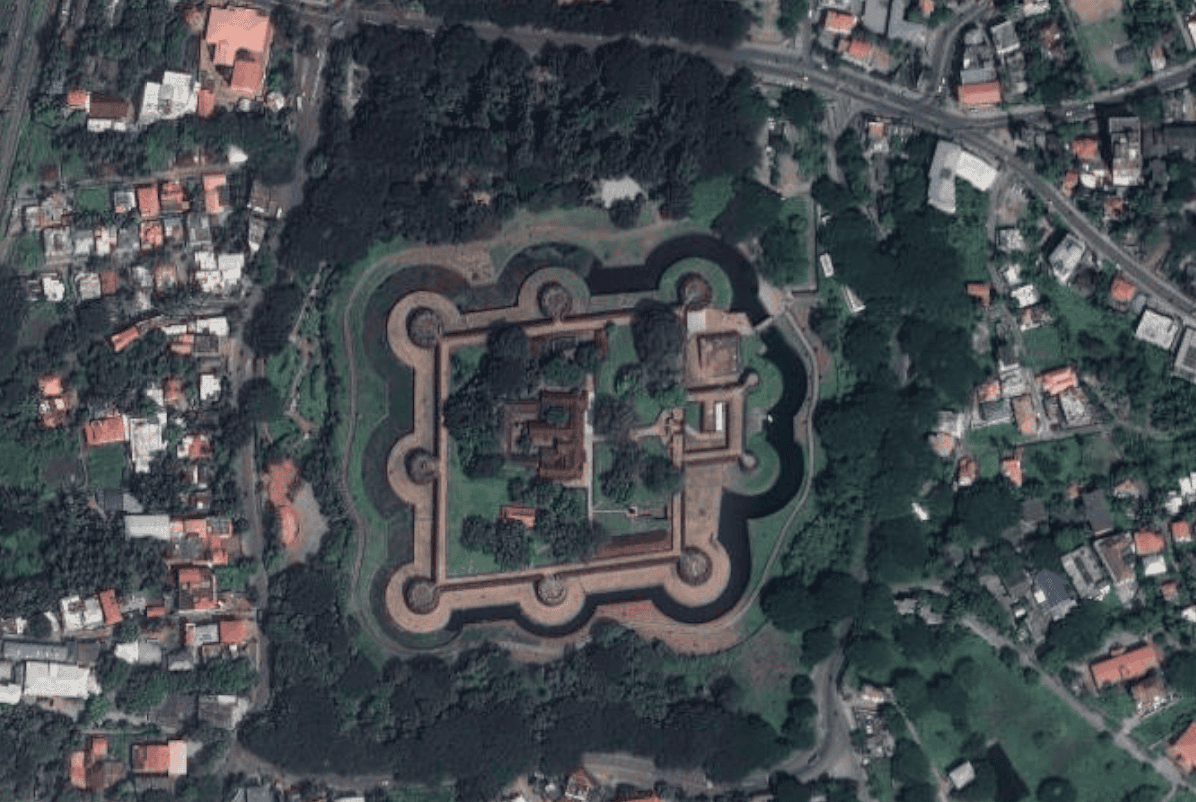
Palakkad Fort’s present form dates to 1766, when Hyder Ali rebuilt it in stone; his son Tipu Sultan later strengthened and used it, which is why it’s popularly called Tipu’s Fort. Hyder first entered Malabar in 1757 at the request of the Palakkad Raja to stop the Zamorin’s invasion; he sent Makhdoom Ali Khan with troops and artillery, forced the Zamorin back, and extracted terms. Control of the fort then swung between Mysore and the British: briefly taken in 1768, again in 1783, and finally in 1790, when the British renovated it as a base for operations that culminated at Srirangapatna. Official/government and standard histories do not name a specific architect for Palakkad Fort; French military engineers were active in Mysore’s fortification works (e.g., Srirangapatna), but no reliable, named engineer is recorded for Palakkad itself.