The forgotten Englishmen of Thalassery: a walk through St. John’s Anglican cemetery

A small overgrown cemetery behind a forgotten church in Thalassery holds the bones of the man who shaped Kerala’s plantation economy, the wife of Pazhassi Raja’s killer, and the founder of Brennen College. Nobody has bothered to put up a signboard.

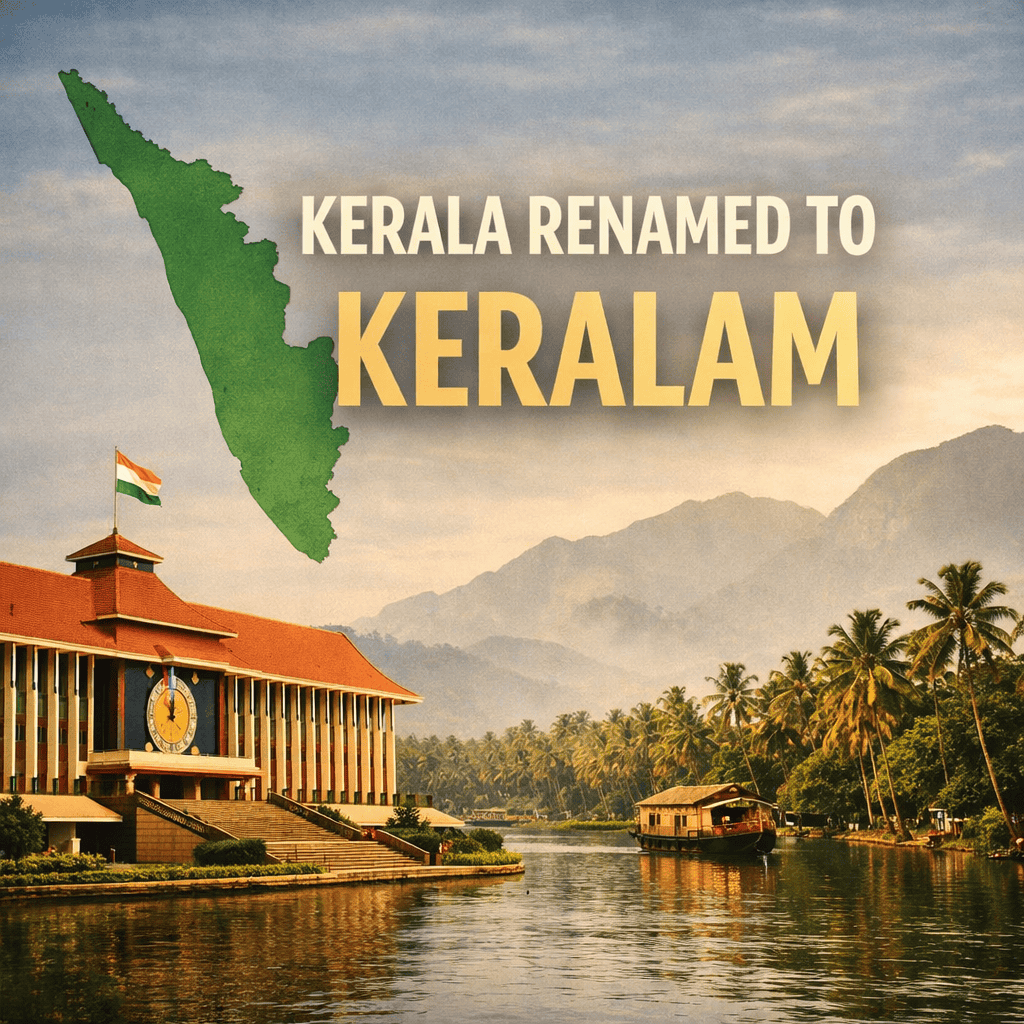
Kerala Renamed to Keralam: Meaning, Linguistic Changes, and What It Really Means

The Indian state widely known as Kerala in English is now officially being referred to as Keralam, aligning the English form with the original Malayalam name: കേരളം (Keralam). This is not just a “spelling change”. It’s basically a linguistic correction – restoring the last sound that Malayalam actually carries. The Real Meaning of “Keralam” In … Read more

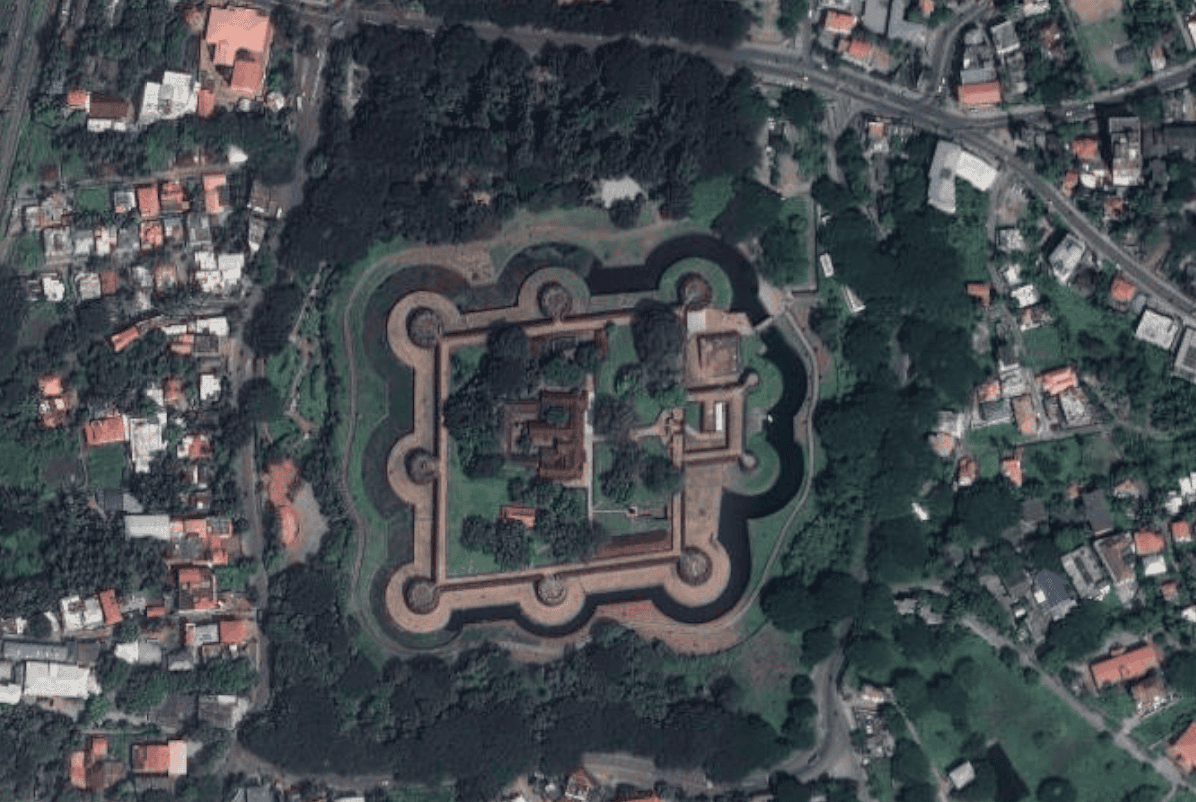
Palakkad Fort: What Actually Happened (Facts + Sources)

??? ????? ??????? ????????? ????? 1766-? ????? ??? ??????????????????. ???????? ?????? ???????? ??? ??????????????? …. ??????????? “???????????? ?????” ???? ????.

Palakkad Fort’s present form dates to 1766, when Hyder Ali rebuilt it in stone; his son Tipu Sultan later strengthened and used it, which is why it’s popularly called Tipu’s Fort. Hyder first entered Malabar in 1757 at the request of the Palakkad Raja to stop the Zamorin’s invasion; he sent Makhdoom Ali Khan with troops and artillery, forced the Zamorin back, and extracted terms. Control of the fort then swung between Mysore and the British: briefly taken in 1768, again in 1783, and finally in 1790, when the British renovated it as a base for operations that culminated at Srirangapatna. Official/government and standard histories do not name a specific architect for Palakkad Fort; French military engineers were active in Mysore’s fortification works (e.g., Srirangapatna), but no reliable, named engineer is recorded for Palakkad itself.